North Bend Climbing

Last Updated: Aug, 2026
836
Ascents
237
Boulders
11
Routes
Guide moderated by Myles Byam

ABOUT North Bend

This digital North Bend climbing guidebook gives you GPS navigation, verified topos, and beta for hundreds of climbs. Explore classics and hidden gems with offline access to maps, directions, and beta videos. Whether it's your first visit or fiftieth, KAYA makes your North Bend days smoother, safer, and more dialed.

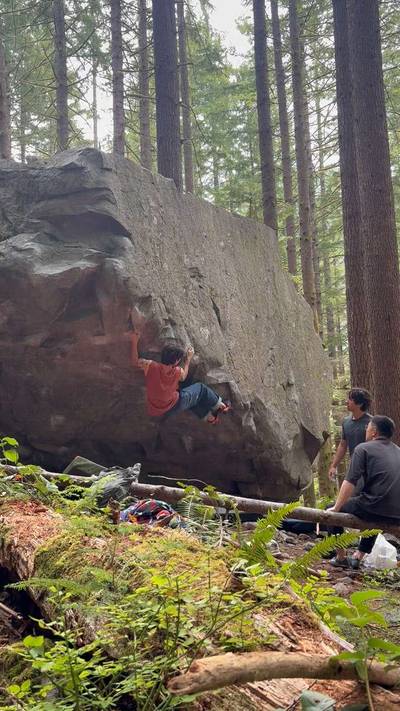
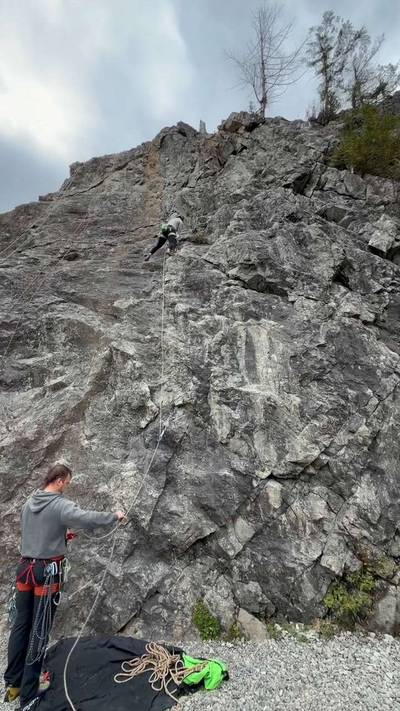
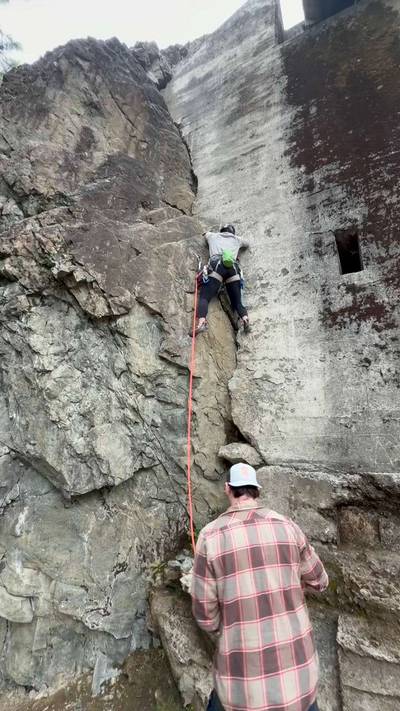
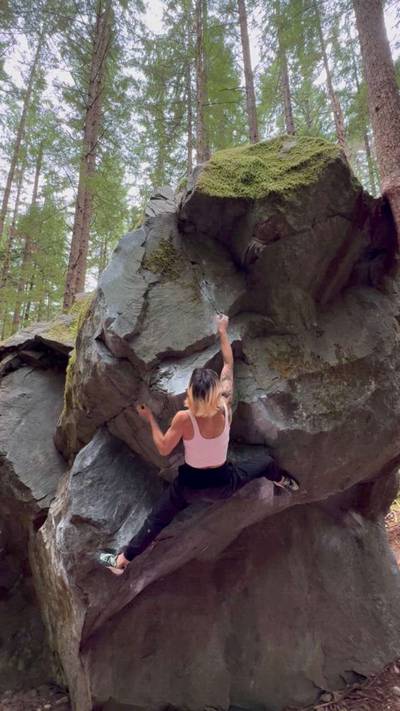
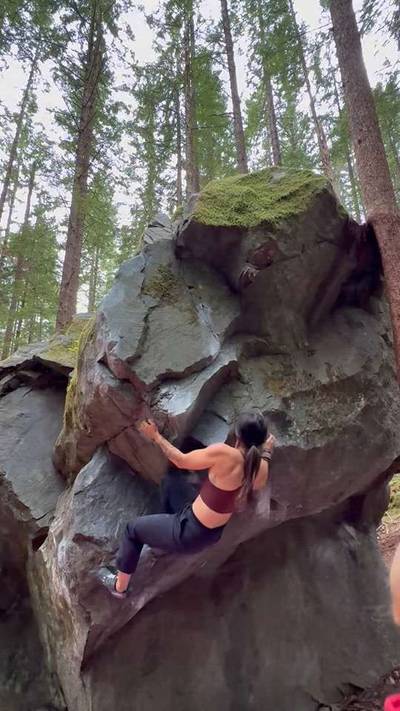
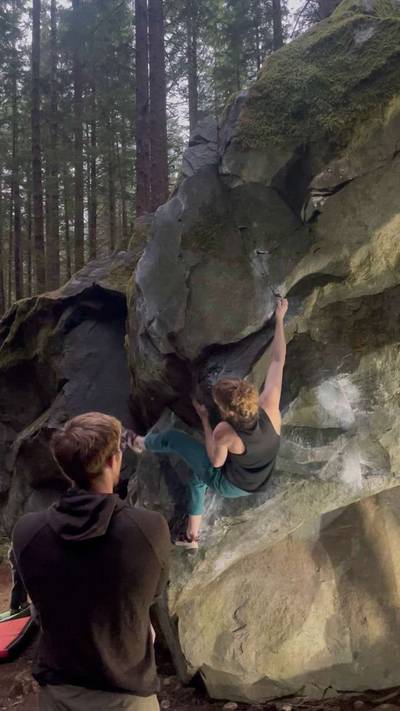
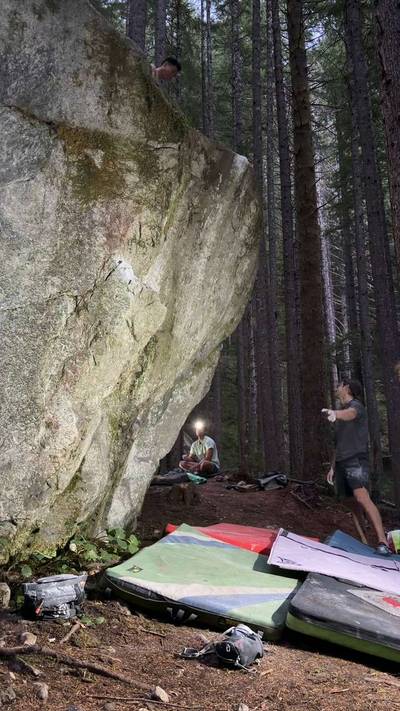
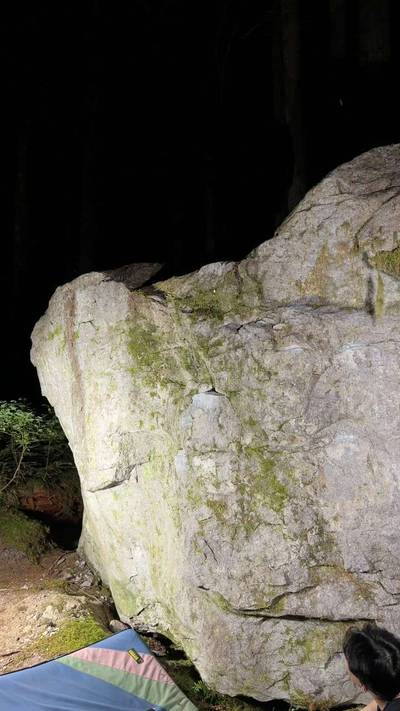
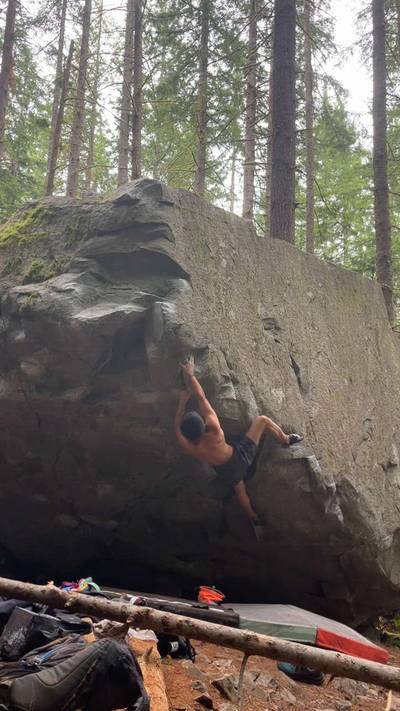
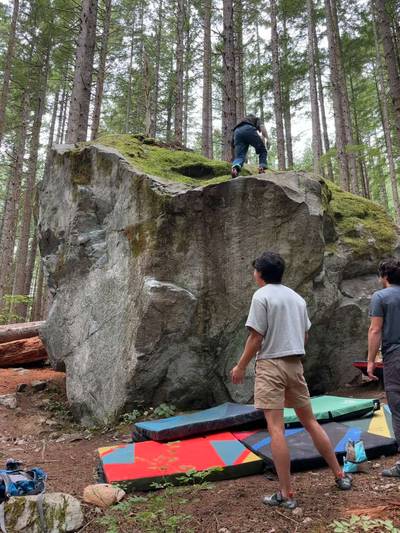
North Bend sits at the western edge of the Cascades in the lush Snoqualmie Valley, just off I-90. The area is surrounded by steep forested hillsides, river valleys, and rocky ridges, giving it a rugged, alpine feel. Many bouldering spots are tucked away along rivers or creeks, especially in the Middle Fork Snoqualmie River Valley, which is home to some of the most popular clusters of boulders. Closer to town, areas like Little Si are better known for sport climbing, but there are also scattered bouldering opportunities mixed in.

The rock in the North Bend area varies depend... Show more
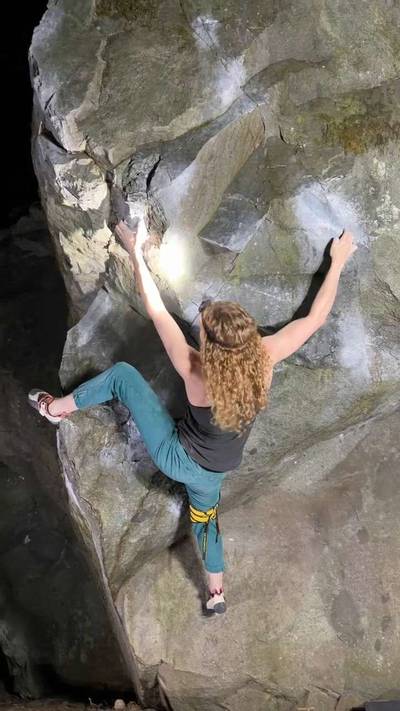
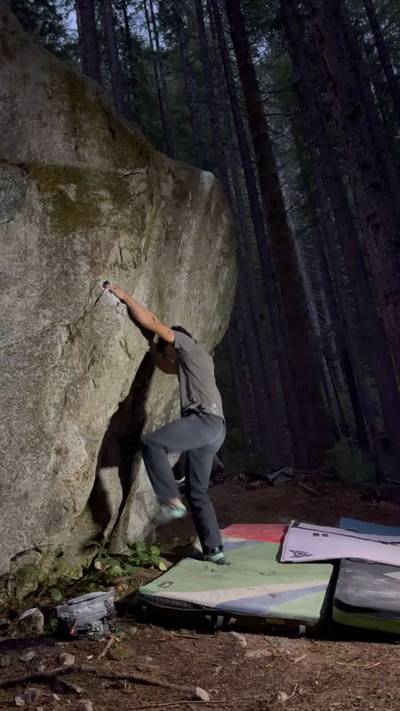
This digital North Bend climbing guidebook gives you GPS navigation, verified topos, and beta for hundreds of climbs. Explore classics and hidden gems with offline access to maps, directions, and beta videos. Whether it's your first visit or fiftieth, KAYA makes your North Bend days smoother, safer, and more dialed. North Bend sits at the western edge of the Cascades in the lush Snoqualmie Valley, just off I-90. The area is surrounded by steep forested hillsides, river valleys, and rocky ridges, giving it a rugged, alpine feel. Many bouldering spots are tucked away along rivers or creeks, especially in the Middle Fork Snoqualmie River Valley, which is home to some of the most popular clusters of boulders. Closer to town, areas like Little Si are better known for sport climbing, but there are also scattered bouldering opportunities mixed in. The rock in the North Bend area varies depending on location. In the Middle Fork Valley, the boulders are mostly granite, offering solid, clean climbing with good edges and friction. Closer to Little Si and Exit 32, the rock shifts to volcanic metamorphics, which can feel grittier and sometimes more polished, depending on traffic and exposure. Most problems are on low to medium-height boulders, with a mix of slabby faces, delicate crimps, and friction climbs. Overhanging or roof climbs do exist but are less common. The dense forest setting means that many problems are shaded and can take time to dry out after rain. The Pacific Northwest climate plays a big role in climbing conditions around North Bend. Frequent rain and cool, shaded forests mean that rock can stay damp or mossy for long stretches, and some problems seep water well after storms. The best season is typically late spring through early fall, when dry stretches allow boulders to clean up and stay climbable. Access is relatively straightforward, with forest roads leading to most trailheads, but conditions can vary — some roads are gated, rough, or washed out in places. The Middle Fork Trail is a main access route, so expect to share the area with hikers and other recreationists. Please see the specific Areas and Subareas for approach beta.

OFFLINE MAPS + APPROACH

Get the full experience in the app.
Download KAYA

Recent Ascents in North Bend

WEATHER
SEASON CHART
APPROACH
Forecast for North Bend
Powered by the Tomorrow.io Weather API

Areas in North Bend

Explore North Bend from all levels with KAYA PRO. Drill down to the area, subarea, boulder and climb levels. Get approach information for each, and a variety of beta.
Download KAYA