Stoney Point Climbing

Last Updated: Aug, 2026
2,052
Ascents
393
Boulders
139
Routes
Guide moderated by Christian Sanchez & Daniel Vilardo
ABOUT Stoney Point

This digital Stoney Point climbing guidebook gives you GPS navigation, verified topos, and beta for hundreds of climbs. Explore classics and hidden gems with offline access to maps, directions, and beta videos. Whether it's your first visit or fiftieth, KAYA makes your Stoney Point days smoother, safer, and more dialed.

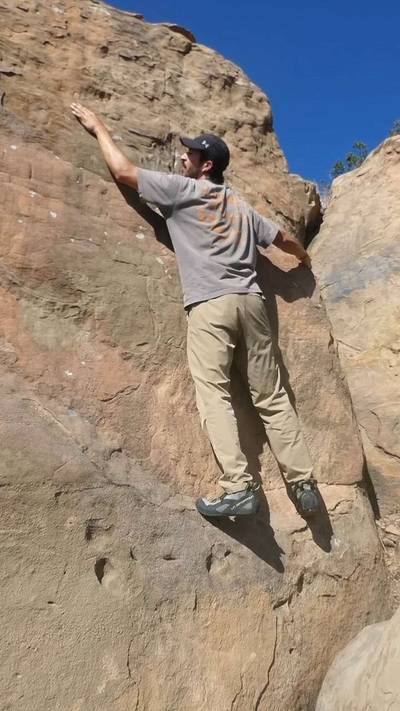
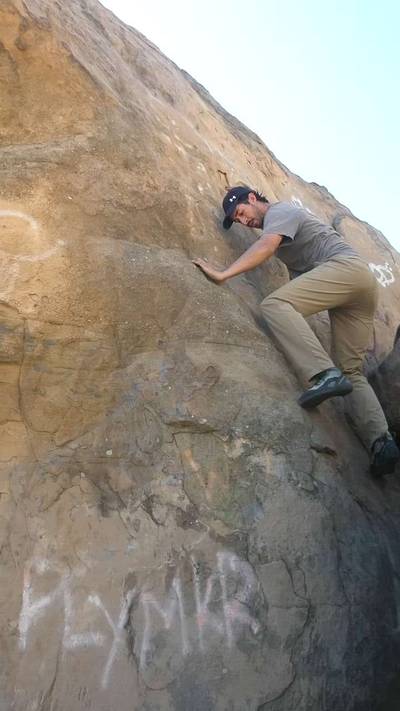
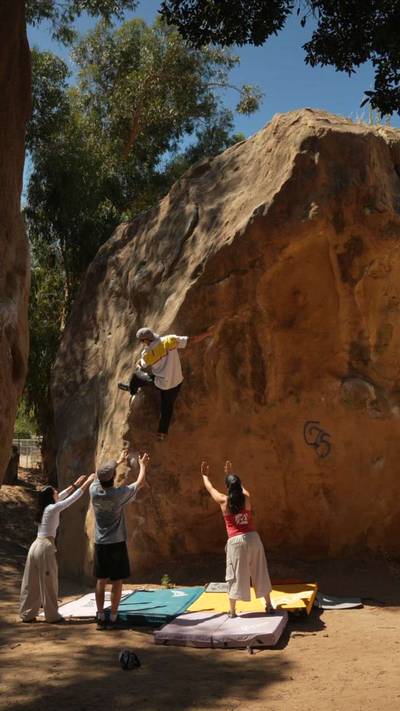
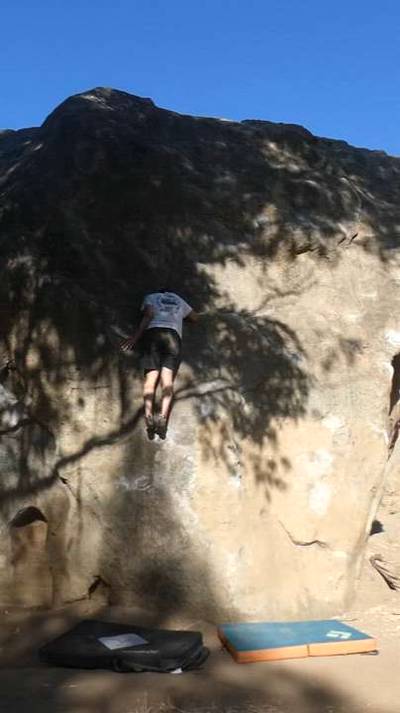
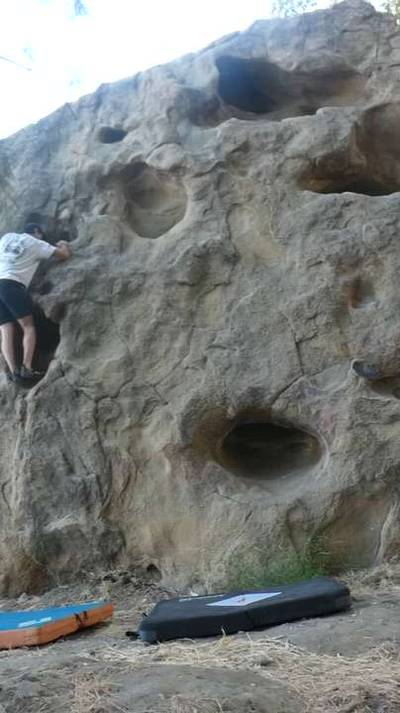
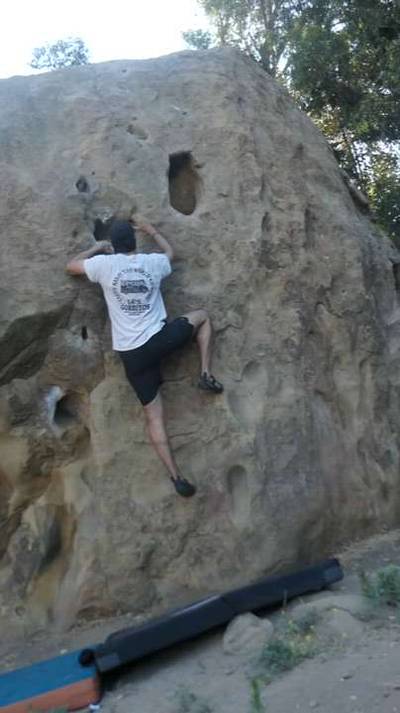
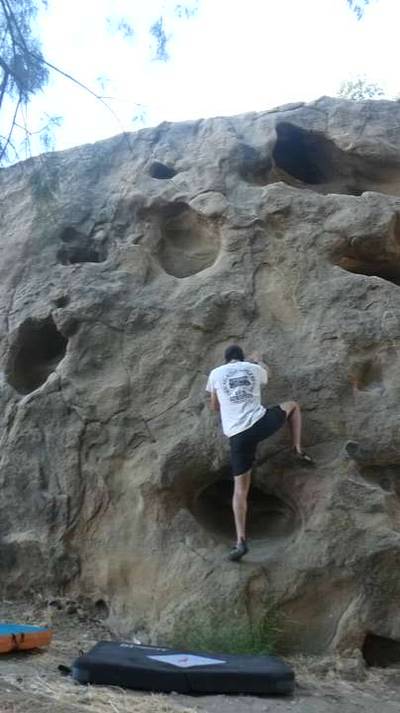
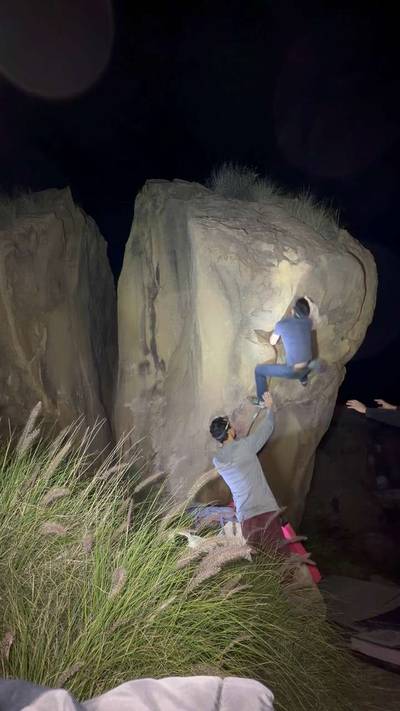
Stoney Point is an iconic and historic climbing location, not just locally, but on a national scale. The pedigree of climbers that have cut their teeth on this local sandstone, is of the absolute highest regard. Climbers have been scaling at Stoney as early as 1935, when Glen Dawson and others of the Sierra Club trained for their mountaineering feats. Dawson and others went onto climb cutting edge routes in the High Sierra, including the first ascent of the East Face of Mount Whitney. The next notable group to follow came in the 50s, with legends and pioneers such as Roy... Show more
This digital Stoney Point climbing guidebook gives you GPS navigation, verified topos, and beta for hundreds of climbs. Explore classics and hidden gems with offline access to maps, directions, and beta videos. Whether it's your first visit or fiftieth, KAYA makes your Stoney Point days smoother, safer, and more dialed. Stoney Point is an iconic and historic climbing location, not just locally, but on a national scale. The pedigree of climbers that have cut their teeth on this local sandstone, is of the absolute highest regard. Climbers have been scaling at Stoney as early as 1935, when Glen Dawson and others of the Sierra Club trained for their mountaineering feats. Dawson and others went onto climb cutting edge routes in the High Sierra, including the first ascent of the East Face of Mount Whitney. The next notable group to follow came in the 50s, with legends and pioneers such as Royal Robins, Yvon Chouinard, TM Herbert, Tom Frost, Bob Kamps, and others, finding their footing on the same hill we play on today. These climbers not only pushed the climbing at Stoney Point to a new level, but they went on to raise the bar of climbing on a global scale. This pattern continues over the decades, seeing visits from the likes of climbers such as John Long, Lynn Hill, John Bachar, John ‘Yabo’ Yablonski, Mike Waugh, and so many others whom have left their mark in the world of climbing. Stoney is truly a special place, one that we are lucky to enjoy even to this day. For an in depth look at the incredible history of Stoney Point, check out the online documentary “Stoney Point: Portrait of an American Crag” by Cole Gibson and Matthew Talesfore. Today Stoney Point remains a popular climbing spot in the Greater Los Angeles area, and is often the introductory location for many gym climbers trading plastic for stone for the first time. While Stoney truly does have something to offer to climbers of all levels, newcomers are often humbled by the challenges the problems present. Though the area may be sandbagged, most landings tend to be flat, allowing for easy pad management. For those with a fragile head game, there are problems so close to the ground that you can feel the top out holds standing on solid ground; and for those seeking a thrill, there is an abundance of spicy, high off the deck lines, to be found. This guide is a documentation of the more direct and natural lines found on each boulder; Stoney has hundreds of variations and eliminates that have been standardized over the decades. Documenting these is far too great a challenge, so you will have to socialize with the locals to find these cryptic lines for yourself. It is important to know that the rock here is a very soft sandstone, which is fragile and therefore ever-changing. Due to the rock breaking throughout the years, many lines are quite different than they were when first ascended. I have done my best to update all lines to reflect their current state as of 2026, but unfortunately many of them will continue to change. IMPORTANT: Climbing is absolutely prohibited at Stoney when wet. You will typically hear that you should avoid climbing on sandstone for 48 hours after rain, but that is a bare minimum and it is not absolute. The timeframe is dependent on the amount of rain received, the amount of sun received, the wind conditions, the direction of the boulder, the amount of shade or exposure on a line, and so on. It’s very complex, so please consider each of those factors. After a bad storm followed by cloudy weather, it could be as long as a week before the rock is dry. If in doubt, please avoid climbing on the boulders to preserve the lines for as long as possible. Please use https://wetrockpolice.com/stoneypoint to check the latest rainfall. Stoney is a wonderful place to climb, and a fantastic place to partake in community. It’s no secret that the area is a bit grungy, so lets do our best to clean up after ourselves, and facilitate a welcoming environment for everyone who visits. Stoney Point lies just 30 miles NorthWest of downtown Los Angeles in the city of Chatsworth. It's just a mile South of the 118 on Topanga Canyon Blvd. The 118 can be accessed via the 405 or 5 North from most of LA, as well as from the 210 West if coming from further inland. As you approach the park from the North you will need to pass Stoney on your left and make a U-turn from a middle shoulder. This is a high traffic street so do so carefully. Park along the side of the road on the Northbound side of Topanga Canyon Blvd. Park as soon as you see the park for easy access to the West, South, and East areas, and drive a bit further up but before the traffic light to more easily access the North, Northeast, Canyons, and Summit areas. The park is open from dawn to dusk every day.

OFFLINE MAPS + APPROACH

Get the full experience in the app.
Download KAYA

Recent Ascents in Stoney Point

WEATHER
SEASON CHART
APPROACH
Forecast for Stoney Point
Powered by the Tomorrow.io Weather API

Areas in Stoney Point

Explore Stoney Point from all levels with KAYA PRO. Drill down to the area, subarea, boulder and climb levels. Get approach information for each, and a variety of beta.
Download KAYA